
Is it Safe to Drive with Low Tire Pressure? What Every Concord Driver Needs to Know
May 19th, 2026 by

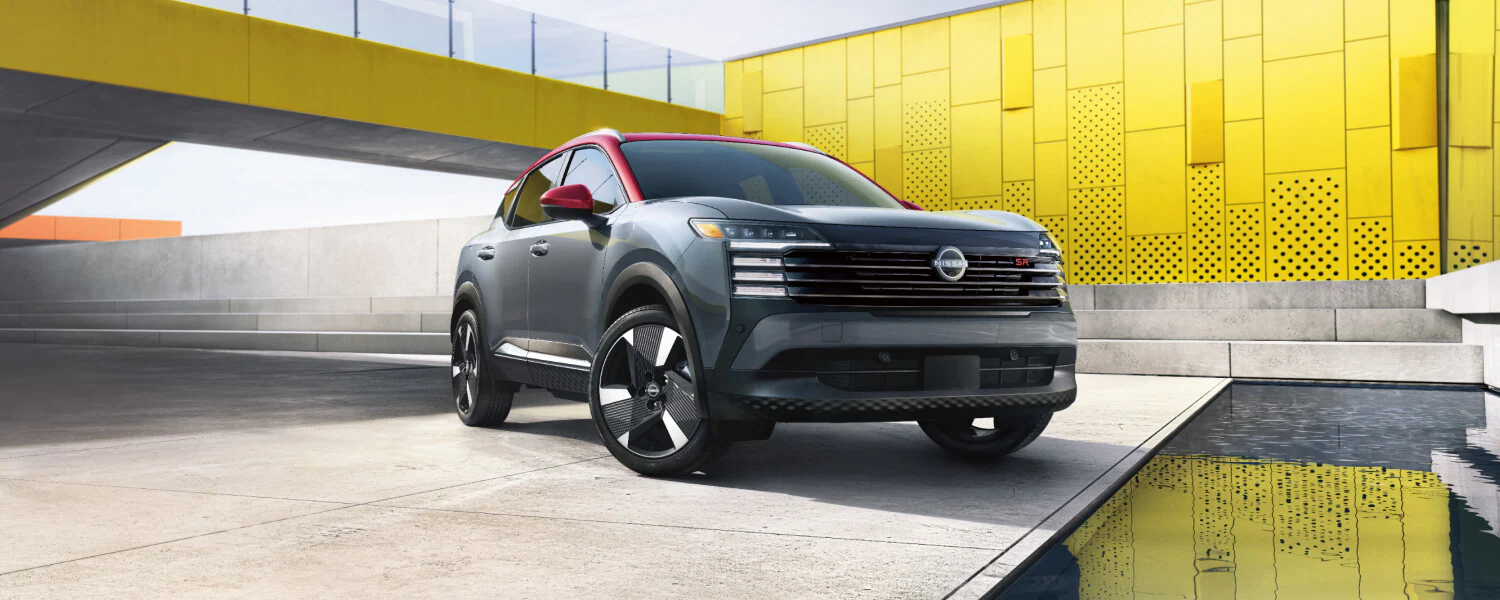
2025 Nissan Kicks SR in gray with a red roof parked in a modern architectural setting with yellow walls.


As you navigate the traffic along Concord Parkway or prepare for a weekend trip to the Charlotte Motor Speedway, the last thing you want to see is that glowing orange horseshoe-shaped light on your dashboard. Low tire pressure is more than a minor inconvenience; it is a critical safety warning that demands immediate attention. At Modern Nissan of Concord, we believe that an informed driver is a safe driver. Understanding the nuances of tire inflation isn’t just about car maintenance—it’s about protecting your family and ensuring your vehicle performs exactly as the engineers intended when it rolled off the assembly line.

Driving through the Piedmont presents unique challenges, from sudden spring rain showers to the varying elevations of our local hills. Your tires are the only point of contact between your Nissan and the asphalt. When that contact is compromised by improper inflation, every aspect of your driving experience—from steering precision to emergency braking—is fundamentally altered. This guide delves deep into the physics, the risks, and the solutions regarding low tire pressure, establishing why maintaining the correct PSI is the single most important task for any vehicle owner in the Charlotte area.


The Short Answer: The Risks of Under-Inflation


To put it bluntly: No, it is not safe to drive with low tire pressure for any extended period or at high speeds. While your vehicle might still move, you are operating in a zone of diminished safety and increased mechanical stress. Under-inflated tires suffer from ‘squirm’—a condition where the tire’s tread doesn’t stay flat against the road, but rather rolls and flexes excessively. This leads to a significant reduction in directional stability. If you need to make a sudden lane change to avoid an obstacle on I-85, a low tire can cause the vehicle to respond sluggishly or unpredictably, potentially leading to a loss of control.

Furthermore, low pressure drastically increases your stopping distance. In emergency braking scenarios, the compromised footprint of an under-inflated tire cannot effectively dissipate the energy required to bring several thousand pounds of Nissan engineering to a halt. Whether you are driving a Rogue, Altima, or Frontier, the physics remain the same: less air means less control. We recommend that if your light is on, you should get directions to Modern Nissan of Concord immediately to have your pressures verified by a professional.


The danger isn’t just about handling; it’s about structural integrity. Tires are designed to support the weight of the vehicle through air pressure. When that pressure is absent, the internal structure of the tire—the belts and plies—must bear the load. This causes the sidewalls to over-flex, generating internal heat that can reach temperatures high enough to melt the rubber compounds and adhesives holding the tire together. This is the primary cause of catastrophic blowouts, which often occur without further warning once the damage has reached a tipping point.

At Modern Nissan of Concord, we see the results of neglected tire pressure every day. From uneven wear patterns that necessitate early replacement to damaged rims caused by hitting potholes with insufficient ‘cushioning’ air, the costs of driving low are high. Don’t risk your safety or your wallet. If you are unsure about your tire’s condition, you can always call us at (704) 788-2110 for expert advice from our service coordinators.


The Science of Tire Failure: Heat and Friction


Excessive Hysteresis
When a tire is under-inflated, the rubber undergoes more deformation as it rotates. This internal friction, known as hysteresis, converts mechanical energy into heat. On a hot North Carolina afternoon, this internal temperature can spike rapidly, weakening the tire’s core components.


Centrifugal Stress
At highway speeds on I-85, your tires are rotating thousands of times per minute. The combination of high-speed centrifugal force and the excessive flexing of low pressure creates a ‘standing wave’ in the tread, which is a precursor to total tire disintegration.


Footprint Distortion
Contrary to intuition, a low tire doesn’t put ‘more’ rubber on the road effectively. Instead, the middle of the tread bows upward, leaving only the outer edges (shoulders) to carry the load, which drastically reduces traction in the rain and during cornering.


Decoding Your Dashboard: Understanding the TPMS Light


Your Nissan is equipped with a Tire Pressure Monitoring System (TPMS), a sophisticated safety feature designed to alert you the moment a tire falls 25% or more below the recommended inflation level. However, not all alerts are the same. Understanding what your dashboard is telling you can mean the difference between a simple air top-off and a major repair.

A Solid TPMS Light: This indicates that one or more of your tires have low pressure. It could be a slow leak, a response to a drop in temperature, or a recent puncture. You should check your pressure as soon as possible.

A Flashing TPMS Light: If the light flashes for about 60 to 90 seconds when you start your car and then remains solid, there is likely a malfunction with the system itself—often a failed sensor battery or a communication error. In this case, the system is no longer monitoring your tires, leaving you ‘blind’ to actual pressure losses. This requires a professional diagnostic at our Concord service center.

Don’t ignore these warnings. If your system is acting up, you should schedule service at Modern Nissan of Concord today to ensure your safety systems are fully operational.
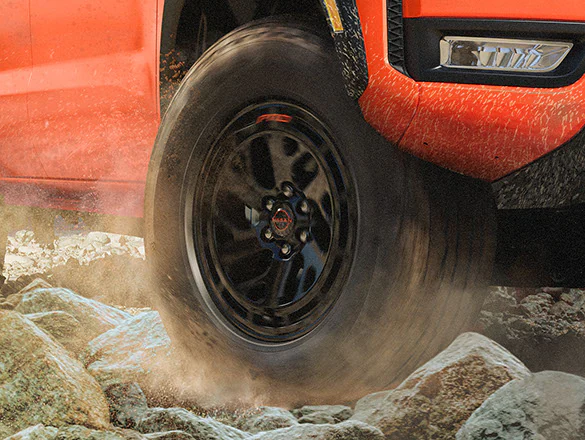
 

A spinning black wheel on an orange truck navigating over large rocks and kicks up dust.

How Low Pressure Hits Your Wallet


Driving with under-inflated tires isn’t just a safety hazard; it’s an economic drain. When your tires are low, their rolling resistance increases. Think of it like trying to ride a bicycle with flat tires—you have to pedal much harder to maintain speed. Your engine has to work harder, burning more fuel to overcome that resistance. According to the Department of Energy, you can lower your gas mileage by 0.2% for every 1 psi drop in the average pressure of all tires. While that may seem small, for a daily commuter in Concord, it adds up to hundreds of dollars a year in wasted fuel.

Even more significant is the cost of premature tire wear. Under-inflation causes the outer edges of the tire to wear down much faster than the center. This uneven wear pattern, known as ‘shoulder wear,’ can shorten the lifespan of a premium set of tires by thousands of miles. Instead of getting 60,000 miles out of your tires, you might find yourself needing a new set at 30,000. If you’ve noticed your tires wearing thin, it might be time to trade in your vehicle at Modern Nissan of Concord and upgrade to a new model with the latest fuel-saving technology.


Handling and Braking: The Performance Penalty


Steering Precision
Low pressure makes your steering feel ‘mushy’ or heavy. The tire sidewall collapses slightly during turns, leading to a delay between your input at the wheel and the car’s actual movement. This is especially dangerous in tight maneuvers or on winding back roads near Kannapolis.


Hydroplaning Risk
In North Carolina rain, the tread of an under-inflated tire cannot effectively channel water away. The distorted footprint creates a ‘pocket’ where water can build up, causing the tire to lose contact with the road entirely—a terrifying phenomenon known as hydroplaning.


Braking Stability
When you slam on the brakes, the weight of the car shifts forward. If the front tires are low, they buckle under this load, reducing the surface area available for friction. This can increase your stopping distance by a full car length or more at highway speeds.


Step-by-Step: How to Check Your Tire Pressure Correctly
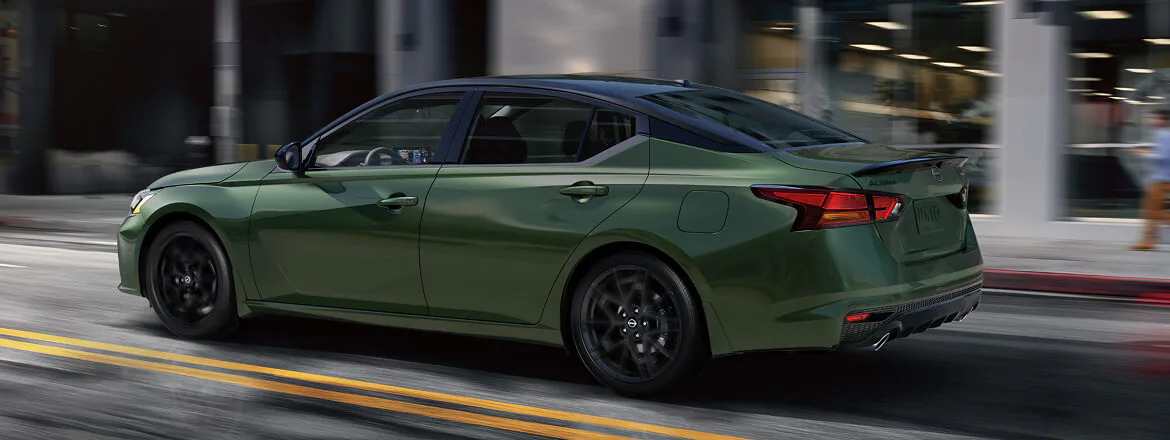
Green Nissan Altima driving along a city street at night.


Checking your tire pressure is a simple task that should be performed at least once a month. To get an accurate reading, follow these steps:

1. Check when ‘Cold’: Tires should be checked after the car has been parked for at least three hours or driven less than a mile. Driving heats up the air inside, causing it to expand and give a falsely high reading.
2. Find Your PSI: Don’t look at the tire sidewall for the recommended pressure; that number is the ‘maximum’ the tire can hold. Instead, look for the placard on the driver’s side door jamb. It will list the specific PSI for your front and rear tires.
3. Use a Quality Gauge: Digital gauges are generally more accurate than the ‘pencil’ style gauges found at gas stations.
4. Check Every Tire: Don’t forget the spare! Even if it’s a ‘donut,’ it needs to be ready for action.

If you find that your tires are consistently low, it might be time to visit our parts center at Modern Nissan of Concord for a new set of high-quality replacements.


The Modern Nissan Service Advantage


Why choose Modern Nissan of Concord for your tire needs? Because our factory-trained technicians understand the specific requirements of your vehicle better than any general repair shop. When you bring your car to us, we don’t just add air. We perform a comprehensive visual inspection to identify the ‘why’ behind the pressure loss. Is there a microscopic nail in the tread? Is the valve stem leaking? Is the wheel rim corroded or bent?

We utilize state-of-the-art balancing and alignment equipment to ensure your tires wear evenly and last as long as possible. Plus, our ‘Modern Difference’ means we treat you like family, prioritizing your safety over a quick sale. If you’re looking for a more reliable vehicle altogether, feel free to browse the used vehicles available at Modern Nissan of Concord or check out our latest arrivals.


What the ‘Modern Difference’ Means for You:

SmartBuy Transparency: Our pre-owned vehicles undergo a 150-point inspection, including a deep dive into tire and suspension health.
Expertise: Our team is specialized in Nissan’s unique chassis and TPMS technology.
Convenience: Located just minutes from the speedway, we are easy to reach from Matthews, Mooresville, and beyond.

Experience the peace of mind that comes with professional service. We are here to keep your Nissan running at its peak performance.


North Carolina Weather and Your Tires


The 10-Degree Rule
For every 10-degree drop in temperature, your tires lose approximately 1 PSI. Concord can see warm afternoons followed by cool nights, causing your TPMS light to flicker on during your morning commute.


Spring Rain Hazards
Spring showers in North Carolina can lead to oil and water mixing on the road surface. Under-inflated tires have a harder time cutting through this slick layer, increasing your risk of sliding at intersections.


Heat Expansion
As we move toward summer, high road temperatures can over-inflate a tire that was filled during a cold snap. Maintaining the ‘Cold PSI’ ensures the tire has room to expand safely as it warms up during use.


Common Causes of Pressure Loss


If your TPMS light keeps coming back on after you’ve filled your tires, there is an underlying issue that needs to be addressed. Tires are not perfectly airtight; they naturally lose about 1 PSI per month through the process of osmosis (air molecules moving through the rubber). However, rapid loss is usually caused by one of the following:

Punctures: The most common culprit. A small nail or screw can lodge in the tread, creating a slow leak that is hard to see without removing the wheel.
Faulty Valve Stems: The rubber stem where you add air can degrade over time, or the internal valve core can become loose or clogged with dirt.
Bead Leaks: This occurs when the seal between the tire and the metal rim is compromised, often due to corrosion on the wheel or a hard impact with a curb.
Temperature Drops: As mentioned, cold air is denser and takes up less space, leading to a drop in measured pressure.

Regardless of the cause, driving on a leaking tire is a gamble. If you’re ready for a fresh start with a vehicle that has passed a 150-point quality assurance inspection, you should browse the new vehicles available at Modern Nissan of Concord.
 

Genuine Parts: Why the Right Tires Matter


Not all tires are created equal. Your Nissan was designed to use tires with specific speed ratings, load indices, and tread patterns to achieve its rated fuel economy and safety performance. When it’s time for a replacement, using OEM-spec (Original Equipment Manufacturer) tires is crucial.

Cheap, off-brand tires may fit your wheels, but they often lack the sophisticated rubber compounds found in premium brands. This can lead to increased road noise, a harsher ride, and—most importantly—inferior grip in emergency situations. Our parts center at Modern Nissan of Concord stocks a wide variety of top-tier brands like Michelin, Bridgestone, and Continental that are specifically approved for use on Nissan vehicles. We can help you select the perfect tire for your driving habits and budget, ensuring you maintain the ‘Modern Difference’ in every mile.


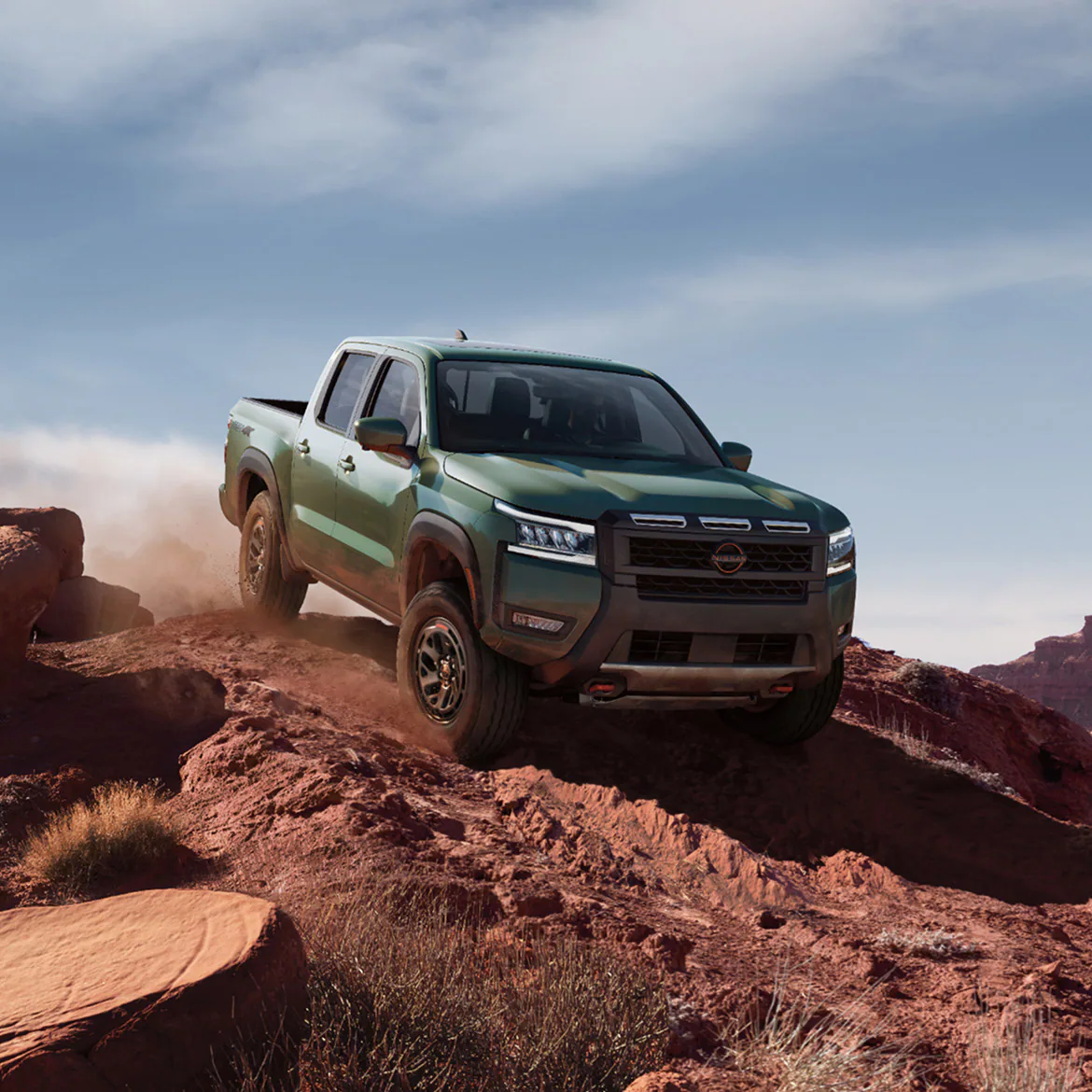
Green Nissan Frontier pickup truck driving off-road on a rugged red rock landscape with dust trailing behind.

Emergency Protocol: What to Do if a Tire Fails


1. Stay Calm and Straight
If you experience a blowout, the car will pull hard toward the side of the flat. Grip the steering wheel firmly with both hands and keep the vehicle pointed straight. Do NOT slam on the brakes, as this can cause a spin.


2. Ease Off the Gas
Gradually release the accelerator. The drag from the flat tire will naturally slow the vehicle down. Look for a safe place to pull off the road, preferably a wide shoulder or a parking lot well away from moving traffic.


3. Call for Help
Once you are safe, do not attempt to change a tire on a busy highway like I-85. Use Nissan Roadside Assistance or call a professional.


Advanced Safety: Nissan Easy-Fill Tire Alert


One of the most innovative features in modern Nissan engineering is the Easy-Fill Tire Alert. We know that finding a tire gauge and fumbling with it at a gas station can be a hassle. With Easy-Fill Tire Alert, your Nissan takes the guesswork out of maintenance. When you are adding air, the vehicle’s lights flash to let you know it’s receiving air. When the tire reaches the correct pressure, the horn gives a friendly ‘chirp’ to let you know you’re done.

If you accidentally over-inflate the tire, the horn will honk three times, and the hazard lights will flash, telling you to let some air out. This technology is a testament to Nissan’s commitment to driver safety and convenience. If your current vehicle lacks this feature, it might be time to trade in your vehicle at Modern Nissan of Concord for a model that makes safety simple.


Tire Pressure FAQ: Expert Answers


Q: Can I drive 10 miles on a low tire? A: It depends on ‘how low’. If the tire is only a few PSI below the limit, a short drive to a service station is generally okay at low speeds. If the tire looks visibly flat or is below 20 PSI, do not drive on it; you will damage the rim and the internal structure of the tire.

Q: Does nitrogen stay in tires longer than air? A: Yes. Nitrogen molecules are larger than oxygen molecules, meaning they migrate through the tire rubber more slowly. Nitrogen also contains less moisture, leading to more stable pressures as the tire heats up. We offer nitrogen fill services right here in Concord.


Q: Why does my light come on only in the morning? A: As tires sit overnight, the air cools and contracts. This can drop the pressure just enough to trigger the sensor. Once you start driving, the friction generates heat, the air expands, and the light may turn off. However, this still indicates your ‘Cold PSI’ is too low and needs adjustment.

Q: Will low pressure affect my AWD system? A: Absolutely. On Nissan Intelligent All-Wheel Drive models, mismatched tire pressures can cause the tires to rotate at slightly different speeds. This can confuse the AWD sensors and potentially cause premature wear on the drivetrain components. Always ensure all four tires are evenly inflated.


Long-Term Maintenance: Beyond the Air Pump


Regular Rotations
Tires on the front of your vehicle handle different forces than those on the rear. Rotating your tires every 5,000 to 7,500 miles ensures they wear evenly, extending their life and maintaining consistent grip across all four corners.


Precision Alignment
If your car pulls to one side or your steering wheel is off-center, your alignment is likely out. This causes rapid, uneven tire wear and forces your tires to ‘scrub’ against the road, further lowering your fuel economy.


System Synergy
Your tires, brakes, and suspension work as a single unit. A professional inspection at Modern Nissan of Concord ensures that every component is in harmony, providing you with the smoothest and safest ride possible.


Schedule Your Professional Tire Inspection Today


Don’t let a small pressure issue turn into a major safety risk or a costly repair. Whether you need a simple pressure check, a tire rotation, or a brand-new set of high-performance tires, the team at Modern Nissan of Concord is here to help. We invite you to experience the ‘Modern Difference’—where building long-term trust with you and your family is our top priority. Our knowledgeable sales staff and trustworthy mechanics are trained to make you a happy, safe customer.

Visit us today at 967 Concord Pkwy S, Concord, NC 28027. We are just a short drive from Kannapolis, Matthews, and the surrounding Charlotte area. You can schedule service at Modern Nissan of Concord online to see us in person. Let’s ensure your Nissan is ready for every mile of the North Carolina road ahead.


Posted in Nissan Service